

Why Beginners Should Not Follow Too Many Futures Markets at Once
Too Many Markets Can Create Confusion One of the most exciting things about futures is also one of the most dangerous for beginners: access. Futures markets can connect investors to stock indexes, commodities, currencies, interest rates, energy products, metals, and agricultural markets. A demo platform may display dozens of contracts, each moving in its own…

How to Choose Your First Futures Market to Study in Demo Mode
Choosing One Market Is the First Real Decision One of the first challenges beginner futures investors face is choice. Futures markets provide access to many areas of the global economy, including stock indexes, commodities, currencies, interest rates, energy products, metals, and agricultural markets. That variety can be exciting, but it can also become overwhelming. A…
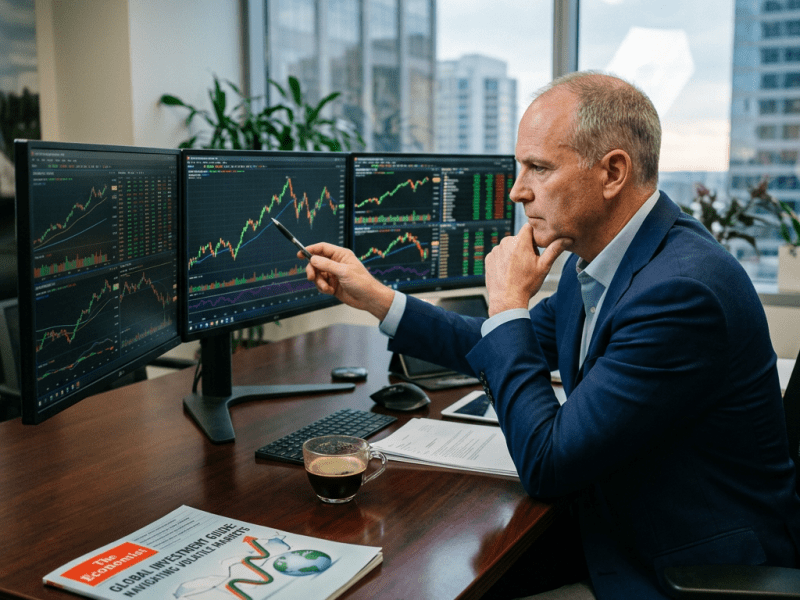
Why Investors Use Futures to Access Major Markets
Futures Give Investors a Window into Major Markets Futures markets are connected to some of the most important areas of the global economy. They include stock indexes, commodities, currencies, interest rates, energy products, metals, and agricultural markets. These markets influence businesses, consumers, investors, governments, and financial institutions around the world. For a beginner, that may…
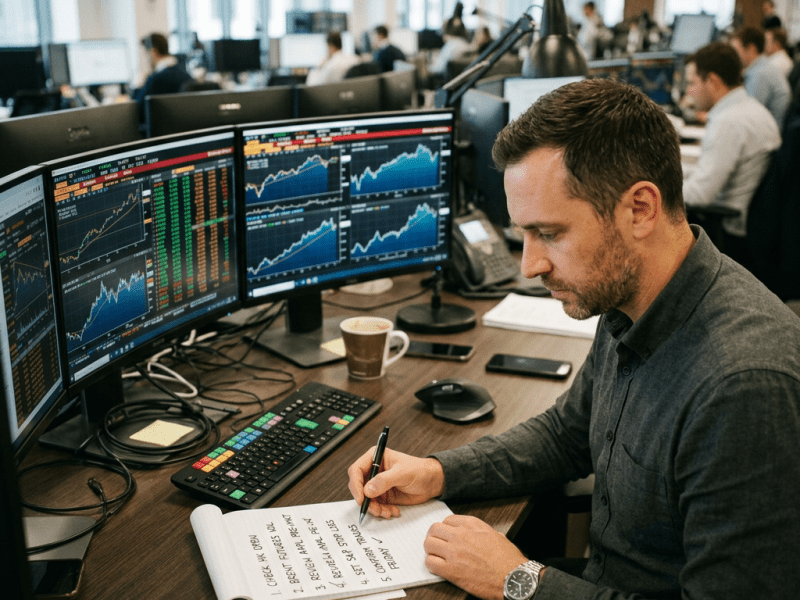
Your Demo-First Futures Investing Checklist
Why Every Futures Investor Needs a Checklist Futures investing should never begin with impulse. It should begin with preparation. Futures markets can give investors access to major global markets, including stock indexes, commodities, currencies, interest rates, energy products, metals, and agricultural markets. That access can be valuable for learning and market participation, but it also…
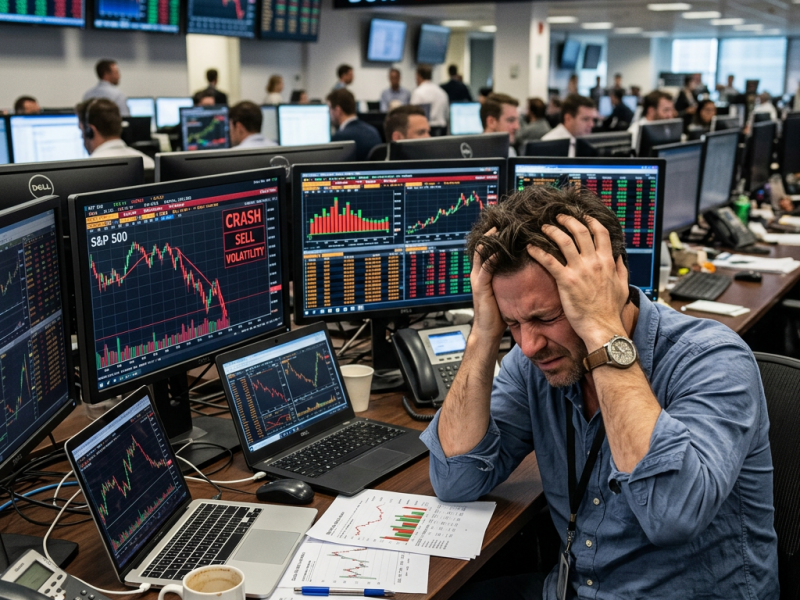
Common Mistakes Investors Make After Leaving Demo Mode
The Transition from Demo to Real Capital Is a New Test Moving from demo mode to real capital is a major psychological shift. In demo mode, investors can observe markets, test ideas, set risk limits, and practice decision-making without risking real money. That makes demo accounts valuable, especially for futures investors who need to understand…

When Should a Futures Investor Move from Demo to Real Capital?
Moving Beyond Demo Should Not Be Rushed Many new investors want to know when they should move from a demo account to real capital. It is one of the most important questions in futures education. A demo account is useful because it allows investors to observe markets, test ideas, practice risk management, and build decision-making…
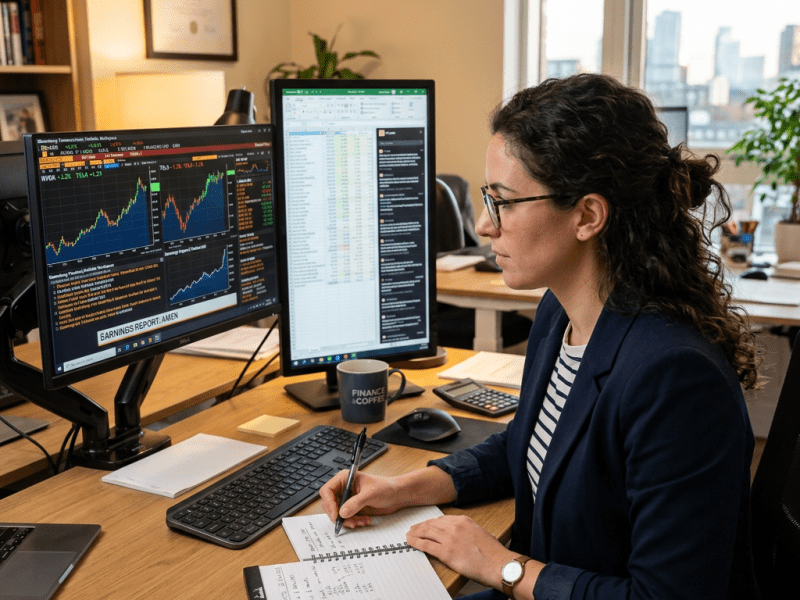
Why Good Investors Review Their Decisions, Not Just Their Results
Results Do Not Tell the Whole Story Most investors naturally focus on results. If a decision produces a gain, they feel encouraged. If a decision produces a loss, they feel disappointed. This reaction is normal, especially for beginners who are using a demo account to learn futures investing. But results do not always tell the…
The Metrics That Matter Before Going Live
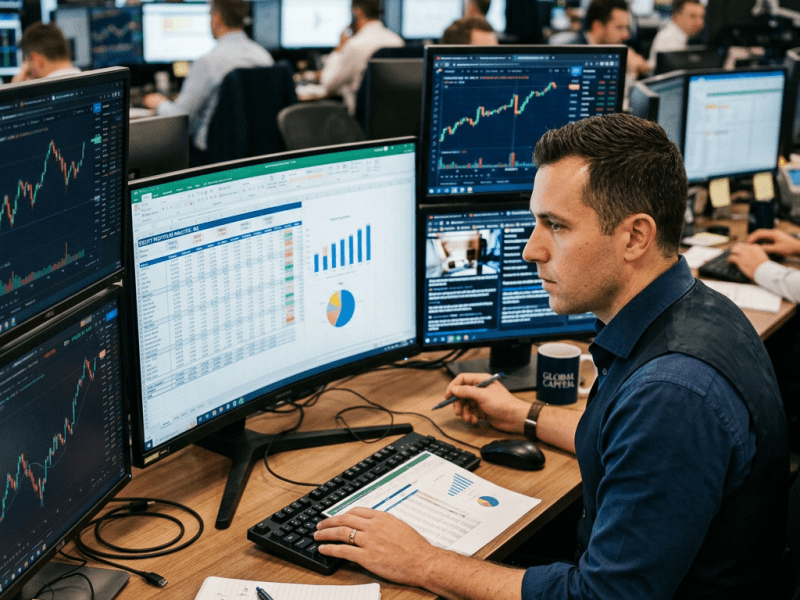
Readiness Is Measured, Not Assumed Many investors want to know when they are ready to move from a demo account to real capital. It is an important question. But the answer should not be based on excitement, confidence, or one good week of simulated results. In futures investing, readiness should be measured. A demo account…

The Difference Between Random Practice and Structured Demo Investing
Demo Practice Is Only Useful When It Has Structure A demo account can be one of the most valuable tools for learning futures investing. It allows investors to observe markets, understand contract behavior, test ideas, and practice decision-making without risking real money. Used properly, demo mode can help investors build confidence, discipline, and market awareness.…
How to Test an Investment Approach in a Demo Account
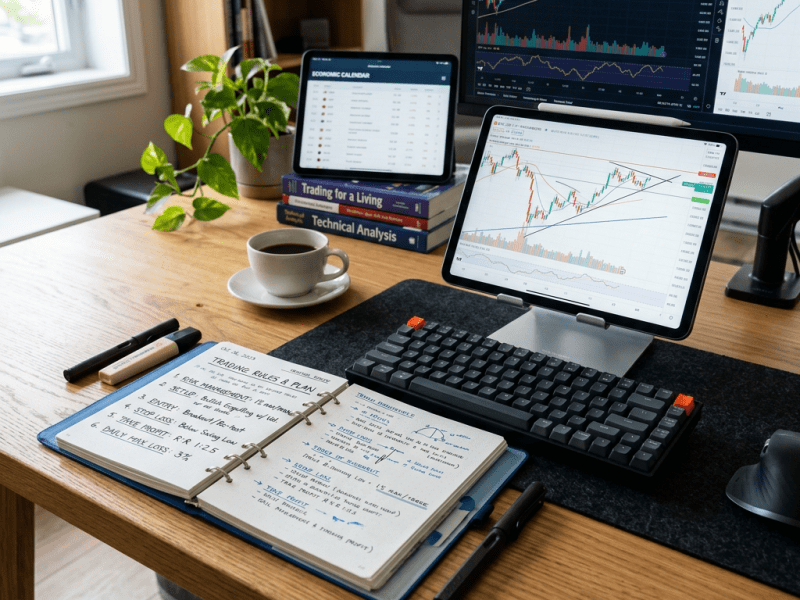
Testing Comes Before Trust An investment approach should not be trusted simply because it sounds logical. It should be tested. Many new investors make the mistake of moving too quickly from idea to action. They hear about a strategy, read an opinion, watch a market move, or develop a theory, and then they feel ready…

What Is System-Market Fit in Futures Investing?
Not Every Strategy Fits Every Market One of the biggest mistakes new futures investors make is assuming that one approach should work everywhere. They may learn a strategy, rule, indicator, or process and immediately try to apply it to every market they see. If it appears to work in one place, they expect it to…

Why Patient Investors Watch the Market Before Making Decisions?
Patience Is a Market Skill Many new investors believe the market rewards constant action. They think that if prices are moving, they should be doing something. They see opportunity in every candle, every headline, and every sudden price change. When they open a demo account, they often feel pressure to place simulated positions immediately. But…

Key Economic Events Futures Investors Should Watch
Economic Events Can Move Futures Markets Quickly Futures markets do not move in isolation. Prices often respond to economic data, central bank decisions, inflation expectations, employment trends, supply and demand changes, and investor sentiment. For beginners, this can feel confusing at first. A market may appear calm one moment and become volatile after a report…
How to Build a Weekly Futures Market Observation Routine
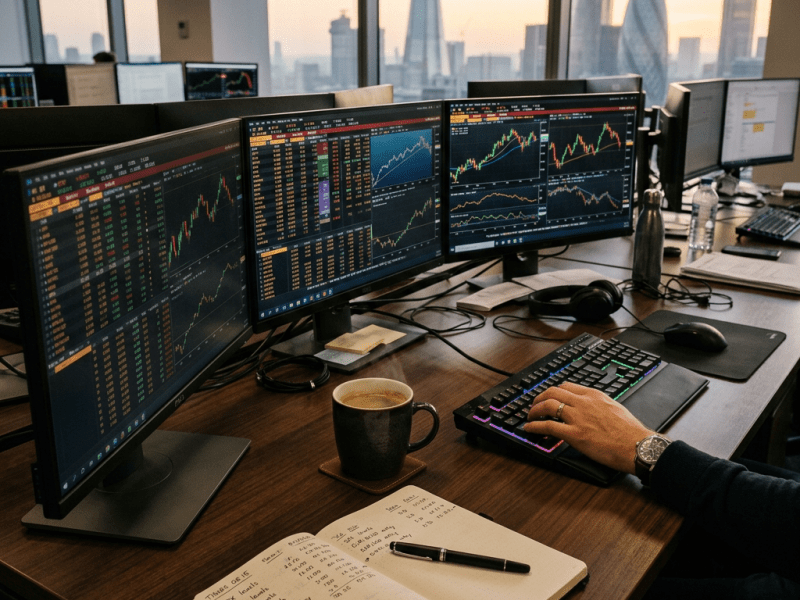
Why Observation Comes Before Action Many new investors open a demo account and immediately want to place simulated positions. That reaction is understandable. A demo account feels like an opportunity to practice, explore, and test ideas. But before taking action, investors need to learn how to observe. Observation is one of the most underrated skills…
How to Set Risk Limits in a Demo Account
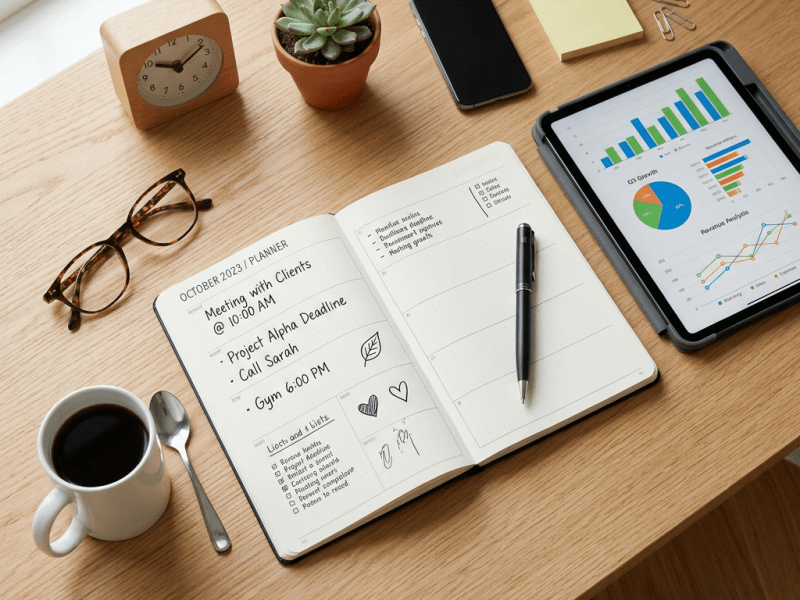
Why Risk Limits Matter in Demo Mode Many beginners believe that because a demo account uses simulated money, risk limits are not necessary. That is a mistake. A demo account is not valuable simply because it allows you to place practice positions. It is valuable because it gives you a safe environment to build habits…

Margin and Leverage Explained Without the Jargon
Why Margin and Leverage Matter Margin and leverage are two of the most important concepts for anyone learning futures. They are also two of the most misunderstood. Many new investors hear the word “leverage” and immediately think about opportunity. They imagine controlling a larger market position with less capital. They may see leverage as a…

The First Rule of Futures Investing: Understand Risk Before Return
Why Risk Comes First Most new investors enter the market thinking about returns. They want to know how much they can make, which market has the best opportunity, and what strategy might produce the strongest results. That curiosity is natural. Every investor wants growth. Every investor wants progress. Every investor wants to believe that their…
Futures vs Stocks and ETFs: What New Investors Should Know
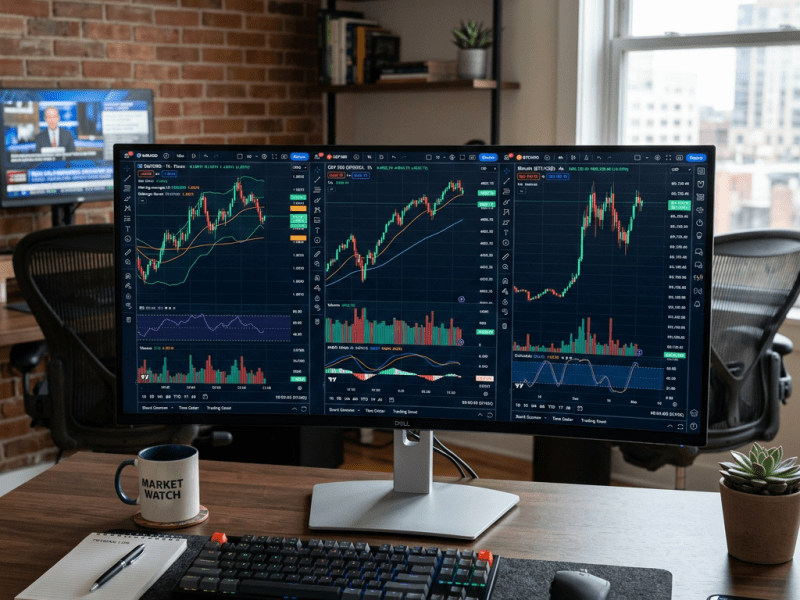
Why This Comparison Matters Most new investors begin with stocks or ETFs. That makes sense. Stocks and ETFs are more familiar, easier to understand, and commonly discussed in personal finance education. Many people know that a stock represents ownership in a company. Many also understand that an ETF can offer exposure to a group of…
What Are Futures Contracts? A Beginner-Friendly Explanation for Investors
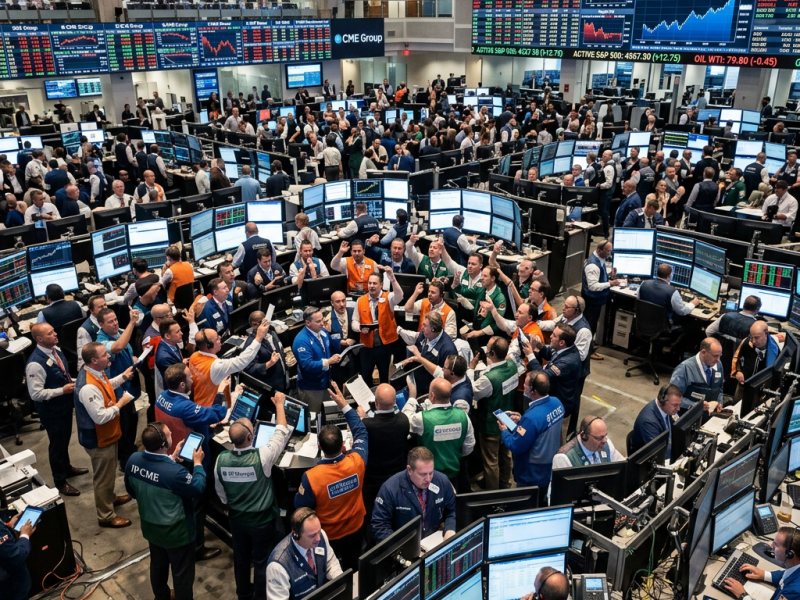
Futures Contracts Can Seem Complicated at First For many new investors, the futures market feels intimidating. The language sounds technical. The contracts seem complex. The risks appear difficult to understand. And because futures are often associated with professional traders, many beginners assume the market is not for them. But futures do not have to be…

What Is a Demo Account and How Should Investors Use It?
A Demo Account Is More Than Practice A demo account is often described as a practice account. That description is correct, but incomplete. For investors who want to learn the futures market, a demo account should be treated as a structured learning environment. It is not just a place to click buttons, test random ideas,…

Futures Are Not Just for Traders: A Smarter Way to Learn Market Participation
Futures Are Often Misunderstood When many people hear the word “futures,” they immediately think of fast trading, speculation, and short-term market moves. That reputation is understandable. Futures markets are often discussed in the context of active traders, professional desks, and high-speed decision-making. But that is only one side of the story. At Invesmart, we believe…
Why Smart Investors Should Start with a Demo Account Before Using Real Money?
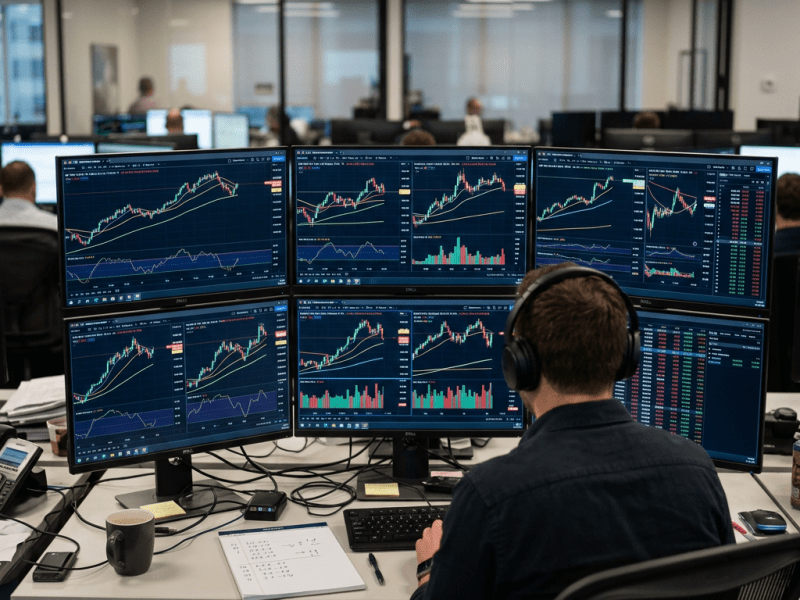
The smartest way to approach the futures market is not to rush into real-money decisions. It is to build a learning environment where mistakes are inexpensive, feedback is visible, and habits can be improved before capital is exposed. This article focuses on introduce the core Invesmart belief: investors should practice, test, and learn before risking…
 Invesmart