

Too Many Markets Can Create Confusion One of the most exciting things about futures is also one of the most dangerous for beginners: access. Futures markets can connect investors to stock indexes, commodities, currencies, interest rates, energy products, metals, and agricultural markets. A demo platform may display dozens of contracts, each moving in its ownContinue reading “Why Beginners Should Not Follow Too Many Futures Markets at Once”
Category Archives: Uncategorized
How to Choose Your First Futures Market to Study in Demo Mode

Choosing One Market Is the First Real Decision One of the first challenges beginner futures investors face is choice. Futures markets provide access to many areas of the global economy, including stock indexes, commodities, currencies, interest rates, energy products, metals, and agricultural markets. That variety can be exciting, but it can also become overwhelming. AContinue reading “How to Choose Your First Futures Market to Study in Demo Mode”
Why Investors Use Futures to Access Major Markets
Futures Give Investors a Window into Major Markets Futures markets are connected to some of the most important areas of the global economy. They include stock indexes, commodities, currencies, interest rates, energy products, metals, and agricultural markets. These markets influence businesses, consumers, investors, governments, and financial institutions around the world. For a beginner, that mayContinue reading “Why Investors Use Futures to Access Major Markets”
Your Demo-First Futures Investing Checklist
Why Every Futures Investor Needs a Checklist Futures investing should never begin with impulse. It should begin with preparation. Futures markets can give investors access to major global markets, including stock indexes, commodities, currencies, interest rates, energy products, metals, and agricultural markets. That access can be valuable for learning and market participation, but it alsoContinue reading “Your Demo-First Futures Investing Checklist”
Common Mistakes Investors Make After Leaving Demo Mode
The Transition from Demo to Real Capital Is a New Test Moving from demo mode to real capital is a major psychological shift. In demo mode, investors can observe markets, test ideas, set risk limits, and practice decision-making without risking real money. That makes demo accounts valuable, especially for futures investors who need to understandContinue reading “Common Mistakes Investors Make After Leaving Demo Mode”
When Should a Futures Investor Move from Demo to Real Capital?

Moving Beyond Demo Should Not Be Rushed Many new investors want to know when they should move from a demo account to real capital. It is one of the most important questions in futures education. A demo account is useful because it allows investors to observe markets, test ideas, practice risk management, and build decision-makingContinue reading “When Should a Futures Investor Move from Demo to Real Capital?”
Why Good Investors Review Their Decisions, Not Just Their Results
Results Do Not Tell the Whole Story Most investors naturally focus on results. If a decision produces a gain, they feel encouraged. If a decision produces a loss, they feel disappointed. This reaction is normal, especially for beginners who are using a demo account to learn futures investing. But results do not always tell theContinue reading “Why Good Investors Review Their Decisions, Not Just Their Results”
The Metrics That Matter Before Going Live
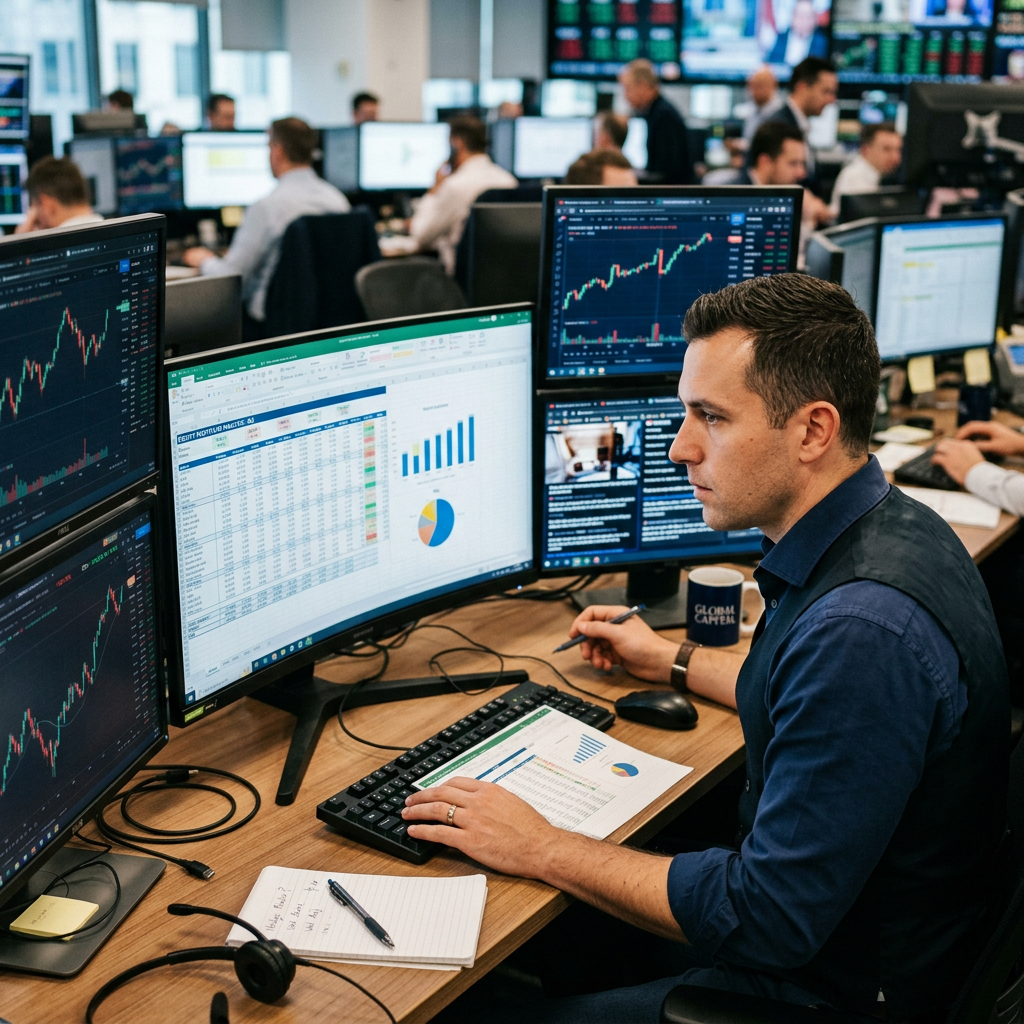
Readiness Is Measured, Not Assumed Many investors want to know when they are ready to move from a demo account to real capital. It is an important question. But the answer should not be based on excitement, confidence, or one good week of simulated results. In futures investing, readiness should be measured. A demo accountContinue reading “The Metrics That Matter Before Going Live”
The Difference Between Random Practice and Structured Demo Investing

Demo Practice Is Only Useful When It Has Structure A demo account can be one of the most valuable tools for learning futures investing. It allows investors to observe markets, understand contract behavior, test ideas, and practice decision-making without risking real money. Used properly, demo mode can help investors build confidence, discipline, and market awareness.Continue reading “The Difference Between Random Practice and Structured Demo Investing”
How to Test an Investment Approach in a Demo Account
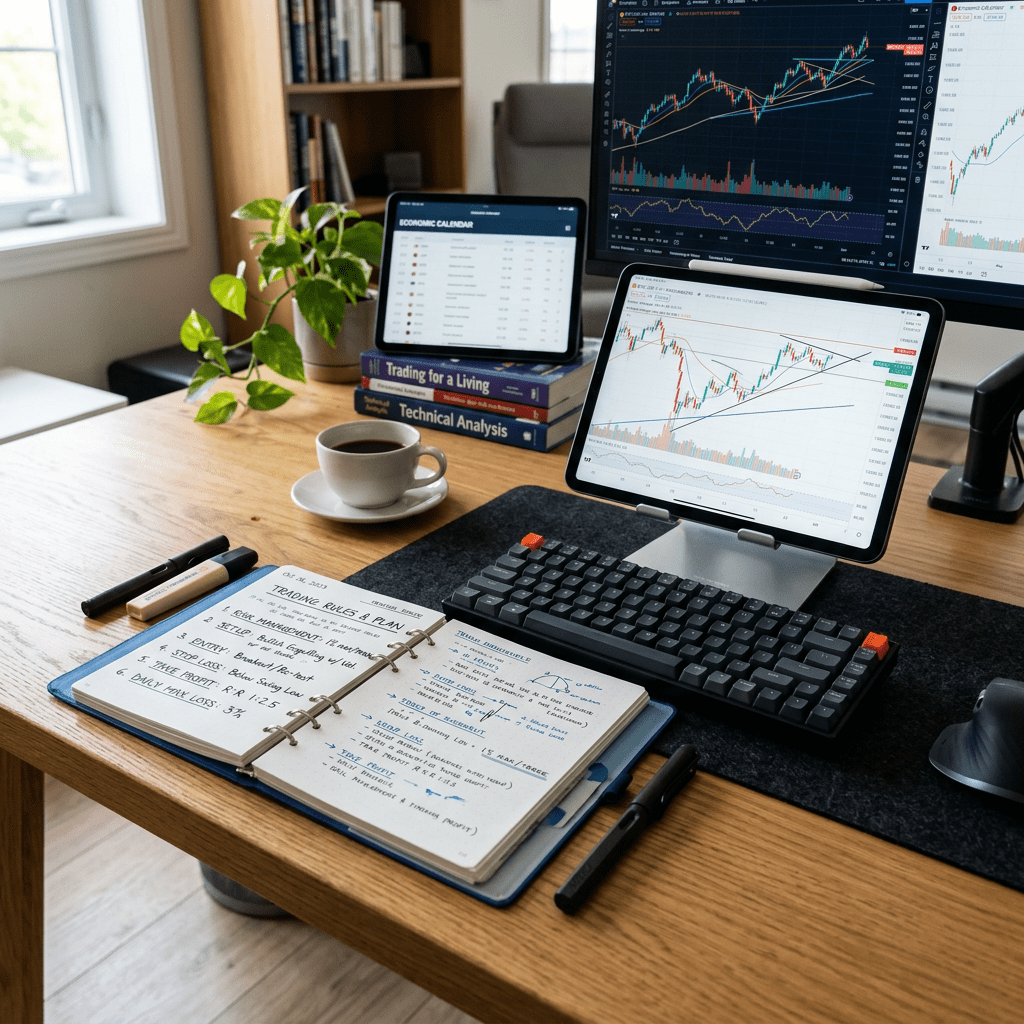
Testing Comes Before Trust An investment approach should not be trusted simply because it sounds logical. It should be tested. Many new investors make the mistake of moving too quickly from idea to action. They hear about a strategy, read an opinion, watch a market move, or develop a theory, and then they feel readyContinue reading “How to Test an Investment Approach in a Demo Account”

