
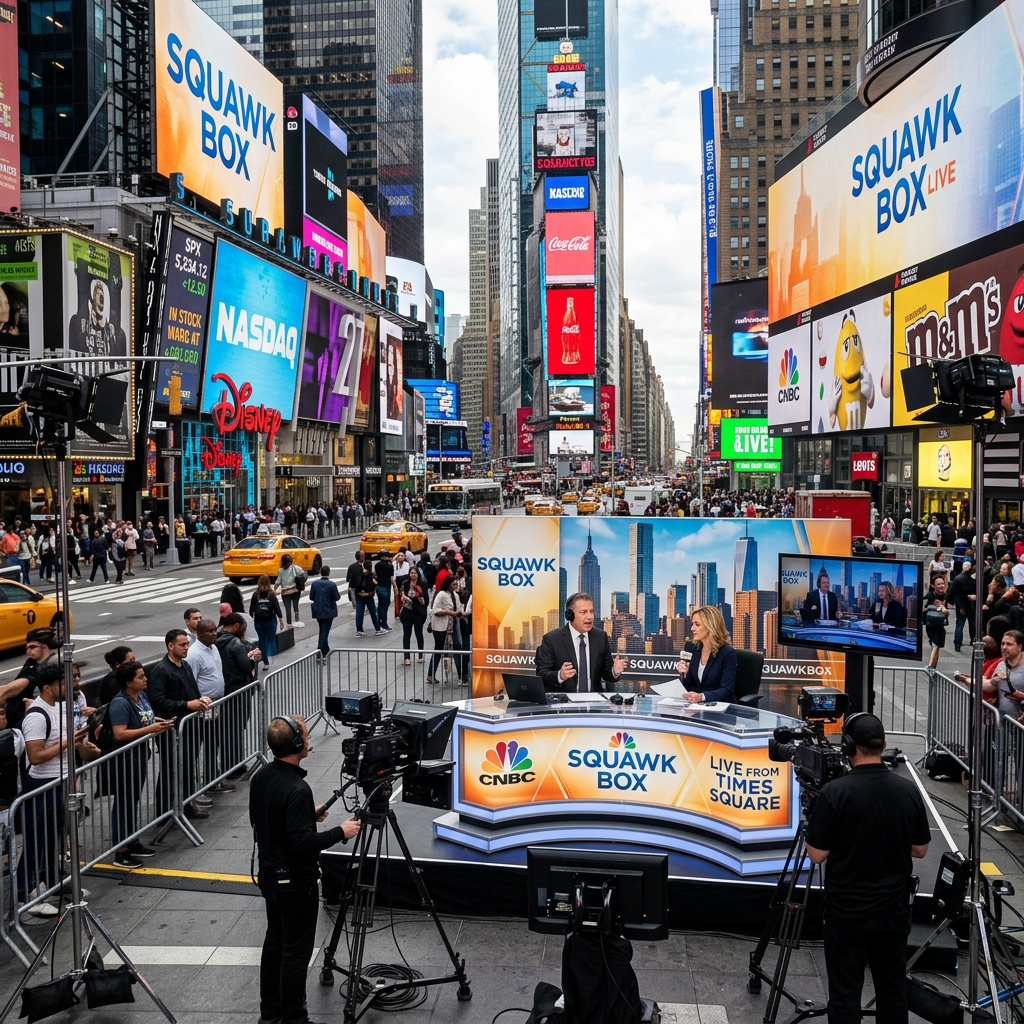
Economic Events Can Move Futures Markets Quickly
Futures markets do not move in isolation.
Prices often respond to economic data, central bank decisions, inflation expectations, employment trends, supply and demand changes, and investor sentiment. For beginners, this can feel confusing at first. A market may appear calm one moment and become volatile after a report is released.
That is why futures investors need to understand economic events.
This does not mean beginners need to predict every report correctly. In fact, trying to guess the outcome of every economic release can lead to impulsive decisions.
A better approach is to observe.
At Invesmart, we believe new futures investors should begin with a demo-first approach. Before using real capital, investors should use a demo account to watch how futures markets react to important economic events.
The goal is not to trade the news aggressively.
The goal is to understand how news affects market behavior, volatility, and risk.
Why Economic Events Matter in Futures
Futures markets are connected to expectations about the future.
That is why economic events matter so much.
A futures contract reflects what market participants believe about future prices, supply, demand, inflation, interest rates, growth, and risk. When new information is released, expectations can change quickly.
For example:
- An inflation report may affect stock index futures, interest rate futures, currency futures, and gold futures.
- An employment report may influence expectations about economic strength and central bank policy.
- An energy inventory report may affect crude oil or natural gas futures.
- A central bank announcement may create movement across stock indexes, currencies, rates, metals, and commodities.
Economic events are important because they can shift market expectations.
When expectations change, futures prices can move.
For a beginner, the key lesson is simple:
You should know when major events are scheduled before making any simulated or real-money decision.
Start with an Economic Calendar
An economic calendar is a tool that lists upcoming economic reports and events.
It usually shows:
- Date of the event
- Time of release
- Country or region
- Name of the report
- Previous result
- Expected result
- Actual result after release
- Level of market importance
For futures investors, an economic calendar is essential.
It helps you know when important information may enter the market. This allows you to prepare, observe, or avoid activity during high-volatility periods.
In demo mode, an economic calendar can become part of your weekly observation routine.
At the start of each week, review the calendar and write down the events most relevant to the futures market you are studying.
If you are following stock index futures, inflation reports, employment data, central bank decisions, and GDP releases may be especially important.
If you are following crude oil futures, energy inventory data and supply-related news may matter more.
If you are following currency futures, central bank decisions, inflation, employment, and interest rate expectations may be key drivers.
The calendar helps you connect events to market behavior.
Event 1: Inflation Reports
Inflation reports are among the most watched economic events in financial markets.
Inflation measures how prices are changing across the economy. When inflation rises faster than expected, investors may worry that central banks will keep interest rates higher for longer. When inflation cools, markets may expect a more supportive policy environment.
Inflation data can affect many futures markets, including:
- Stock index futures
- Interest rate futures
- Currency futures
- Gold futures
- Energy futures
- Bond-related futures
For stock index futures, inflation matters because higher interest rates can affect company valuations, borrowing costs, and investor confidence.
For currency futures, inflation can influence expectations about central bank policy and exchange rates.
For gold futures, inflation and interest rate expectations can affect demand for the metal.
In demo mode, investors should observe how the market behaves before, during, and after inflation reports.
Ask:
- Was the market quiet before the report?
- Did volatility increase after the release?
- Did the market move in one direction or reverse quickly?
- Did the reaction last all day or fade quickly?
- Did my emotions change while watching the movement?
The objective is to learn how sensitive your chosen market is to inflation data.
Event 2: Employment Reports
Employment data is another major market driver.
Employment reports provide insight into the strength of the labor market. They can influence expectations about economic growth, consumer spending, inflation pressure, and central bank policy.
A strong labor market may suggest economic strength, but it can also raise concerns about wage inflation or tighter monetary policy.
A weaker labor market may suggest slowing growth, but it may also increase expectations for lower interest rates.
This is why market reactions can sometimes seem complicated.
A report that appears “good” for the economy may not always be interpreted as good for stocks. A report that appears “weak” may sometimes support markets if investors believe it could lead to easier policy.
For beginner futures investors, this is an important lesson:
Markets react to expectations, not just headlines.
In demo mode, do not focus only on whether the report sounds positive or negative. Watch how the market responds compared with what investors expected.
Track:
- The market reaction immediately after the release
- Whether the move continues or reverses
- Whether volatility increases
- Whether the report affects multiple futures markets at once
- Whether your chosen market becomes harder to read
Employment reports are excellent events to study because they show how economic strength, policy expectations, and investor sentiment interact.
Event 3: Central Bank Decisions
Central bank decisions are among the most important events for futures markets.
Central banks influence interest rates, monetary policy, liquidity conditions, and economic expectations. Their decisions and commentary can affect nearly every major asset class.
For futures investors, central bank events may affect:
- Stock index futures
- Interest rate futures
- Currency futures
- Gold futures
- Commodity futures
- Bond-related futures
The decision itself matters, but the language around the decision often matters just as much.
Markets pay close attention to what central banks say about:
- Inflation
- Employment
- Economic growth
- Future rate changes
- Financial conditions
- Risks to the economy
Sometimes the market expects a certain decision, such as no change in interest rates. If the decision matches expectations, the bigger reaction may come from the statement or press conference.
This is why central bank events can create volatility even when the headline decision seems unsurprising.
For beginners, the best approach is to observe first.
In a demo account, consider making central bank days “observation only” until you understand how your chosen market behaves.
Write down:
- What the market expected before the event
- How the market reacted to the decision
- Whether the reaction changed during the press conference
- Whether volatility remained elevated afterward
- What you learned about risk during policy events
Central bank events can teach investors a lot about expectations and uncertainty.
Event 4: GDP Reports
Gross Domestic Product, or GDP, measures the overall economic output of a country.
GDP reports help investors understand whether an economy is growing, slowing, or contracting.
GDP can influence futures markets because growth expectations affect investor confidence, interest rates, currencies, commodities, and risk appetite.
For example:
- Stronger growth may support stock index futures if investors believe company earnings will improve.
- Stronger growth may also increase inflation or interest rate concerns.
- Weaker growth may pressure risk assets but could support expectations for lower rates.
- Commodity futures may react if growth expectations affect demand.
This is why GDP reactions are not always simple.
A beginner should avoid assuming that one report automatically means one market direction.
Instead, use a demo account to observe how the market interprets the data.
Ask:
- Was the GDP result above or below expectations?
- Did the market react strongly?
- Did the reaction match what I expected?
- Did other markets move at the same time?
- Did the report change the market’s broader trend?
GDP reports are useful because they help investors connect futures markets to the broader economy.
Event 5: Interest Rate Announcements
Interest rates influence many areas of the financial system.
They affect borrowing costs, company valuations, currency strength, bond prices, consumer demand, and investor risk appetite.
Because of this, interest rate announcements can be especially important for futures investors.
Interest rate expectations can influence:
- Stock index futures
- Currency futures
- Interest rate futures
- Gold futures
- Bond futures
- Commodity futures
Higher interest rates may pressure some markets because borrowing becomes more expensive and future earnings may be valued differently.
Lower interest rates may support some markets by reducing borrowing costs and increasing liquidity.
However, context matters.
A rate cut during a severe economic slowdown may not be interpreted the same way as a rate cut during stable conditions.
A rate increase during strong growth may not be interpreted the same way as a rate increase during financial stress.
This is why investors should study market reaction, not just the rate decision.
In demo mode, track how your chosen market behaves before and after rate announcements. Note whether the reaction is smooth, volatile, or mixed.
Event 6: Energy Inventory Reports
For investors studying energy futures, inventory reports are especially important.
Crude oil and natural gas markets are strongly influenced by supply and demand. Inventory data can provide insight into whether supply is building or shrinking.
Energy inventory reports may affect:
- Crude oil futures
- Natural gas futures
- Energy-related spreads
- Energy-linked currencies or sectors indirectly
For example, if crude oil inventories rise more than expected, the market may interpret that as a sign of weaker demand or higher supply. If inventories fall more than expected, the market may interpret that as tighter supply.
But reactions can still be complex.
Energy markets may also respond to:
- OPEC-related news
- Geopolitical tensions
- Refinery activity
- Weather patterns
- Global demand expectations
- Production disruptions
For beginners, energy futures can be educational but volatile.
A demo account is especially useful here because it allows investors to observe market reactions without risking real capital.
If you are studying energy futures, make inventory release days part of your observation routine.
Event 7: Consumer Confidence and Retail Sales
Consumer spending is a major part of many economies.
Reports such as consumer confidence and retail sales help investors understand whether households are spending, saving, or becoming more cautious.
These reports can affect stock index futures, currency futures, interest rate expectations, and commodity demand.
Retail sales can be especially important because they show actual consumer spending behavior.
Consumer confidence is more about sentiment. It reflects how consumers feel about the economy, employment, inflation, and their financial situation.
For investors, both reports help answer questions such as:
- Are consumers still spending?
- Is economic momentum improving or weakening?
- Could inflation pressure remain strong?
- Could companies face stronger or weaker demand?
- How might central banks respond?
In demo mode, observe whether these reports create strong movement in your chosen market or whether they are less important than inflation, employment, or central bank decisions.
Not every event matters equally in every market environment.
That is an important lesson.
Event 8: Manufacturing and Services Data
Manufacturing and services reports provide insight into business activity.
These reports can show whether companies are expanding, slowing, hiring, facing cost pressures, or seeing changes in demand.
Manufacturing data may be especially important for commodities, industrial metals, currencies, and stock index futures.
Services data may be important because services make up a large part of many modern economies.
When these reports are strong, investors may see signs of economic resilience.
When they are weak, investors may worry about slowing growth.
But again, the market reaction depends on expectations.
If investors already expected weakness, a weak report may not create a major reaction. If the data surprises the market, movement may be stronger.
Beginner futures investors should use these reports to understand the relationship between economic activity and market behavior.
Event 9: Geopolitical and Unexpected Events
Not all market-moving events are scheduled.
Geopolitical tensions, supply disruptions, financial stress, natural disasters, policy surprises, and unexpected headlines can affect futures markets quickly.
These events can be difficult to prepare for because they may happen suddenly.
They can influence:
- Energy futures
- Gold futures
- Currency futures
- Stock index futures
- Agricultural futures
- Interest rate futures
For example, geopolitical uncertainty may affect oil prices, safe-haven demand, currency flows, or investor risk appetite.
Because these events are unpredictable, risk management becomes even more important.
A beginner should always understand that the market can move unexpectedly.
That is why position size, risk limits, and exit rules matter.
Demo mode helps investors see that uncertainty is normal.
The goal is not to predict every event.
The goal is to build a process that can survive uncertainty.
How Beginners Should Track Economic Events
A beginner does not need to track every report in the world.
That can become overwhelming.
Instead, start with one market and identify the events that matter most for that market.
Use this simple process:
1. Choose one futures market.
Do not try to follow everything at once.
2. Review the economic calendar weekly.
Mark the major events that may affect your market.
3. Decide which events are observation-only.
For high-volatility reports, beginners may choose to observe instead of act.
4. Record market behavior.
Write down what happened before, during, and after the event.
5. Review the reaction.
Ask whether the market reaction made sense and what you learned.
6. Repeat for several weeks.
Patterns become clearer over time.
This process turns economic events into learning opportunities.
A Simple Economic Event Journal Template
Use the following template in your demo journal:
Date:
Write the date of the event.
Market Observed:
Write the futures contract you are studying.
Event:
Name the economic report or announcement.
Expectation:
Write what the market appeared to expect before the release.
Actual Reaction:
Describe how the market moved after the event.
Volatility:
Was the reaction calm, moderate, or sharp?
Simulated Decision:
Did you take action, avoid action, or observe only?
Reason:
Explain why you made that choice.
Lesson:
Write what the event taught you about the market.
This template helps you build evidence.
Over time, your journal becomes a personal learning database.
Avoid the News-Chasing Trap
Economic events are important, but beginners should avoid chasing every headline.
News can create excitement. Excitement can create impulsive decisions.
A beginner may see a report come out, watch the market move quickly, and feel pressure to participate. But fast movement does not automatically mean good opportunity.
Sometimes the safest and smartest choice is to observe.
This is especially true in demo-first investing.
Your goal is not to prove that you can react quickly.
Your goal is to understand how the market behaves and how risk changes during important events.
A disciplined investor can say:
“I do not understand this event well enough yet, so I will observe and learn.”
That is not weakness.
That is preparation.
Conclusion
Economic events play a major role in futures markets.
Inflation reports, employment data, central bank decisions, GDP releases, interest rate announcements, energy inventory reports, consumer data, business activity reports, and unexpected geopolitical events can all influence market behavior.
For beginner futures investors, the goal is not to predict every event or chase every reaction.
The goal is to observe, record, and learn.
At Invesmart, we believe economic events should be studied through a demo-first approach. Use a demo account, follow one market, track key events, and review how the market responds before risking real capital.
Know the calendar. Observe the reaction. Respect the volatility. Practice before capital.
 Invesmart