
The InveSmart Blog is an educational space for investors who want to understand the futures market before putting real capital at risk.
Here, we believe that smarter investing starts with preparation. That is why our content is built around a demo-first approach: learn the market, practice in a simulated environment, test your ideas, measure your results, and only then decide whether futures investing fits your goals, risk tolerance, and investment process.
Futures should not be treated as a shortcut or a speculative game. At InveSmart, we approach them as an investment conduit — a structured way to access global markets, study price behavior, and build disciplined investment strategies.
Through this blog, you will find practical education on futures contracts, margin, leverage, risk management, market behavior, investment planning, and how to use demo accounts to develop confidence before making real financial decisions.
InveSmart was created to help investors make better decisions through education, practice, and process.
Go demo first. Learn with purpose. Invest smarter.

Why Beginners Should Not Follow Too Many Futures Markets at Once
Too Many Markets Can Create Confusion One of the most exciting things about futures is also one of the most dangerous for beginners: access. Futures markets can connect investors to stock indexes, commodities, currencies, interest rates, energy products, metals, and agricultural markets. A demo platform may display dozens of contracts, each moving in its own…


How to Choose Your First Futures Market to Study in Demo Mode
Choosing One Market Is the First Real Decision One of the first challenges beginner futures investors face is choice. Futures markets provide access to many areas of the global economy, including stock indexes, commodities, currencies, interest rates, energy products, metals, and agricultural markets. That variety can be exciting, but it can also become overwhelming. A…
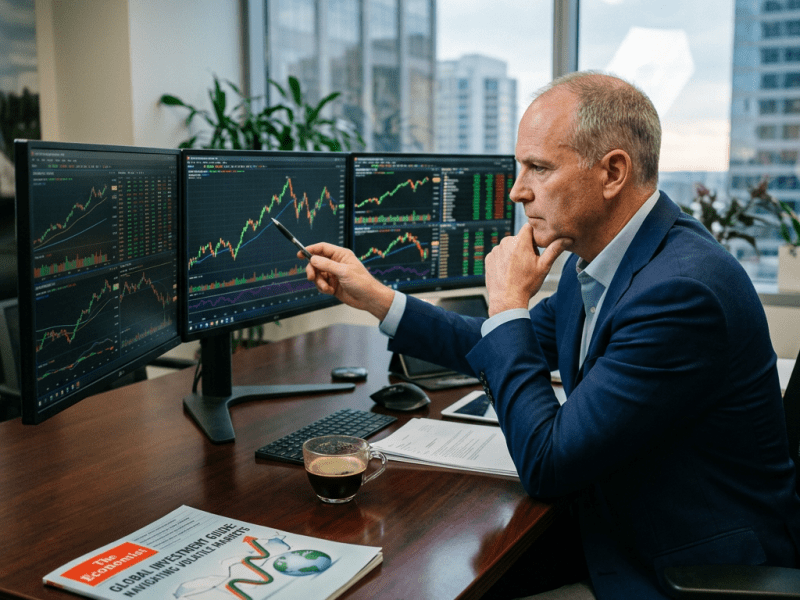
Why Investors Use Futures to Access Major Markets
Futures Give Investors a Window into Major Markets Futures markets are connected to some of the most important areas of the global economy. They include stock indexes, commodities, currencies, interest rates, energy products, metals, and agricultural markets. These markets influence businesses, consumers, investors, governments, and financial institutions around the world. For a beginner, that may…
 Invesmart